Research & Knowledge
Synthetic Wavelength: Leveraging Artificial Intelligence for African Cinema Aesthetics
Presented at: University of Ghana, College of Humanities International Research Conference 2025 · 11th World Conference on Media and Mass Communication (MEDCOM 2026).
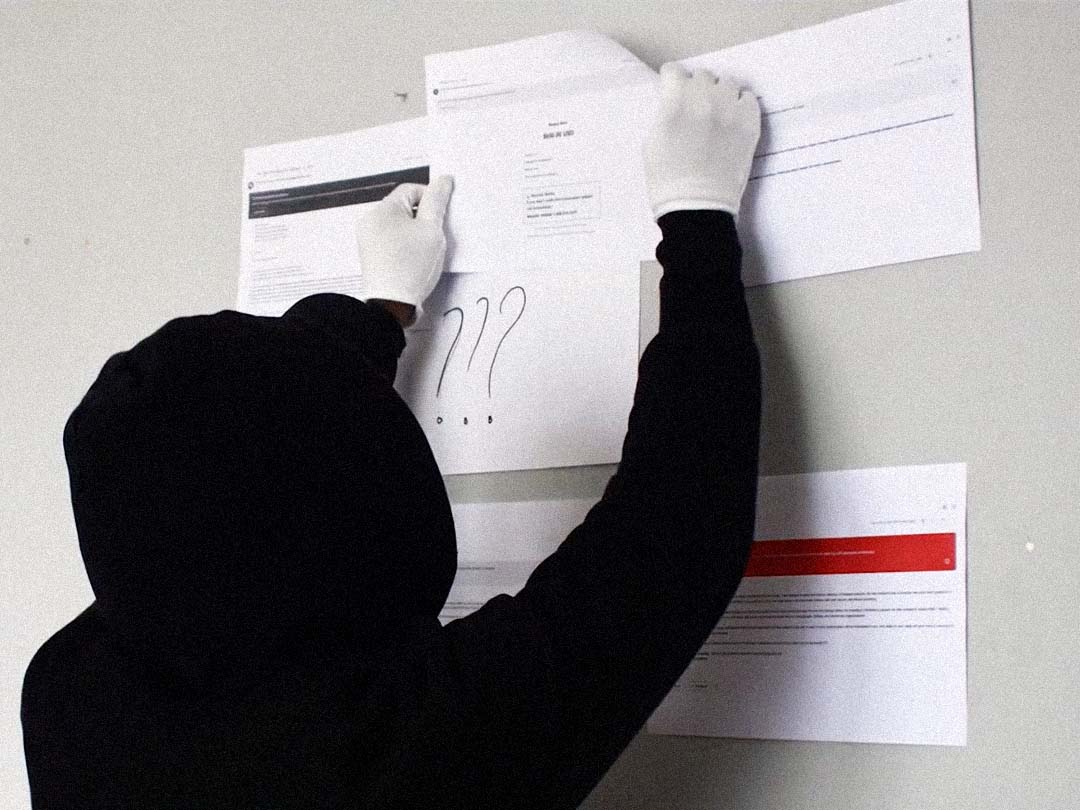
The research explores how artificial intelligence can move beyond its role as a technical or cost-saving tool to become a creative medium in African filmmaking. The paper examines the relationship between technology, cultural identity and cinematic expression, drawing on the history of African filmmakers who have turned limited resources into innovative forms of storytelling. Through the concept of “synthetic wavelength,” the research considers how AI-generated voices and sound can create new aesthetic possibilities while extending traditions of oral storytelling, experimentation and sonic expression.
Using the experimental short film Urgent Response Needed (2025) as a case study, the paper demonstrates how AI-generated voice cloning and sound design can reshape narrative, authorship and cinematic sound. It argues that AI can support greater creative access for African filmmakers while opening alternative forms of authorship and storytelling. At the same time, it highlights the need to address questions of consent, cultural representation, data sovereignty and dependence on technologies developed outside Africa. Ultimately the paper calls for more Afro-centred approaches to AI — African datasets, locally adapted tools, and collaborations that can support a more technologically innovative, culturally grounded and creatively sovereign African cinema.
Full publication forthcoming.
First Paper
From Thesis to Publishable Article
Upcoming · April 2027
Across African universities, young artists and researchers produce valuable research through final-year theses, dissertations and practice-based projects. Yet much of this work stops at graduation — stored in university repositories, submitted for assessment, or left behind as practitioners move into professional life. First Paper is a six-week research and editorial development programme by The Ona Hub designed to address this gap by helping recent graduates transform their completed research into publishable articles. The programme focuses particularly on emerging practitioners in film, media art, photography, animation, visual culture and related fields.
The programme guides participants through the process of extracting, reframing and developing an article from their existing research. Through workshops, individual development, peer discussion and editorial feedback, participants identify the central argument within their thesis, rethink its structure for an article-length format, strengthen their research and writing, and develop a clear relationship between their practice, methodology and critical questions. The emphasis is not simply on learning how to write academically, but on learning how to translate research into a form that can enter wider conversations.
First Paper is an investment in the next generation of African knowledge producers. At the end of the six weeks, participants leave with a developed, publication-ready article and a clearer understanding of where and how their work might be submitted. First Paper responds to a gap between completing a university thesis and entering the wider ecosystem of research and publication, particularly for emerging practitioners working across the arts and media. By supporting this transition, The Ona Hub seeks to make research more visible, accessible and useful beyond the institution in which it was first produced.